Project Student Lab Safety
What began as a classroom chemistry experiment became an experience that changed how I viewed laboratory safety. For weeks, my two classmates and I prepared a “magic show” demonstration using methanol and watch glasses, repeatedly practicing it in our classroom. However, basic safety precautions—including consistently tying back our hair, wearing goggles, and having a fire blanket or clearly identified fire extinguisher—were not enforced or provided. During a demonstration at our neighboring middle school, the fire from our experiment caught on my friends, seriously injuring them. Standing barely a foot away, I witnessed the incident firsthand and left shaken by what had happened, but determined to make sure this would never happen again. This experience showed me how quickly a classroom demonstration can become dangerous when proper safety measures are overlooked. It has inspired me to advocate for stronger, clearer safety standards for chemistry demonstrations in schools.
Join us in raising awareness, supporting safer chemistry practices, and advocating for this needed change in classrooms.
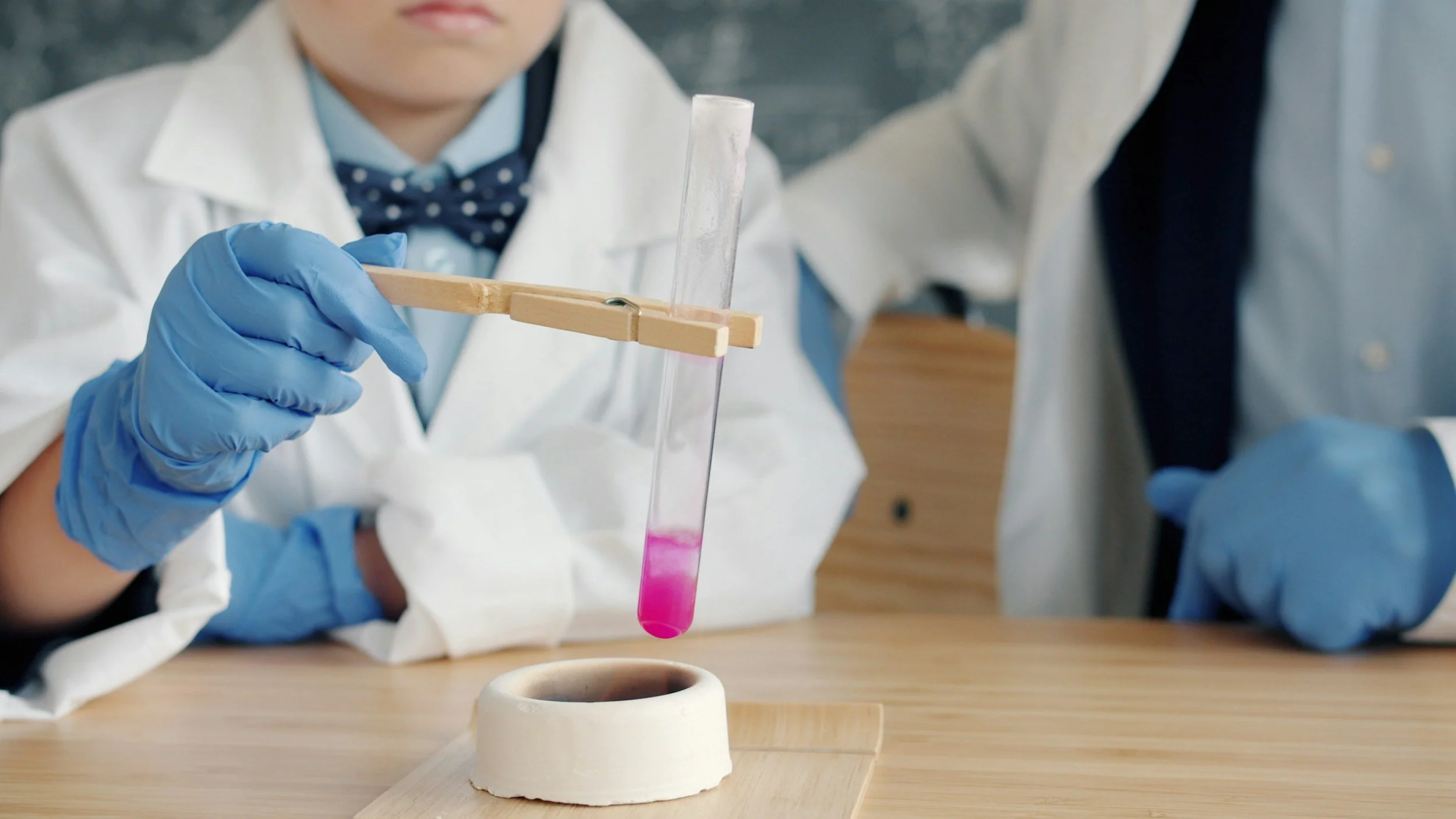
The Problem: Lab Safety
Chemicals and Risks:
Chemistry classrooms involve chemicals that can present different hazards, including flammability, toxicity, corrosivity, and harmful exposure. Students may not always recognize the risks associated with a chemical simply by looking at it or following a demonstration they have performed before.
PPE & Training:
Personal protective equipment (PPE) and safety training are important parts of protecting students in laboratory settings. Appropriate PPE may include items such as eye goggles, fire aprons, or other equipment specified by safety procedures. However, PPE is only one part of laboratory safety. Students and teachers also need appropriate training and clear expectations about chemical hazards, laboratory procedures, and how to respond when something goes wrong.
Many people may hear about an incident like this and think, “There’s no way this could happen to me.” But accidents can happen when proper safety measures are not consistently taught, practiced, and enforced. This is especially concerning in classrooms where students are minors and may not fully understand the risks associated with hazardous chemicals. Every student should be educated about chemical hazards, proper safety procedures, and how to respond in an emergency. Stronger training, education, and enforcement can help ensure that students are prepared to stay safe when something goes wrong.
Emergency Preparedness:
Students and teachers should know what emergency procedures apply to their classroom, where appropriate safety equipment is located, and how to respond when an incident occurs. Clear emergency-response expectations can help ensure that a classroom is prepared to act quickly and appropriately during an unexpected event.
The Gap
Our research has identified a gap in how classroom chemistry demonstrations involving hazardous chemicals are addressed through policy. We researched multi-state comparisons and found that there is nothing nationwide that addresses this problem. While schools may have safety procedures and guidelines, we have not identified a specific state law that directly addresses the safety concerns at the center of our initiative. This leaves an opportunity for stronger, clearer protections for students. Our goal is to work with policymakers to develop a bill that addresses this gap and establishes clearer safety expectations for chemistry demonstrations in schools.
The only state policies addressing chemical injuries only protect teachers. Students are not included, and it is not required to make any incident reports. Only teachers are required to be reported. This shows that there could be many other cases like this that have damaged the lives of students, but we would never know about it. This needs to change.
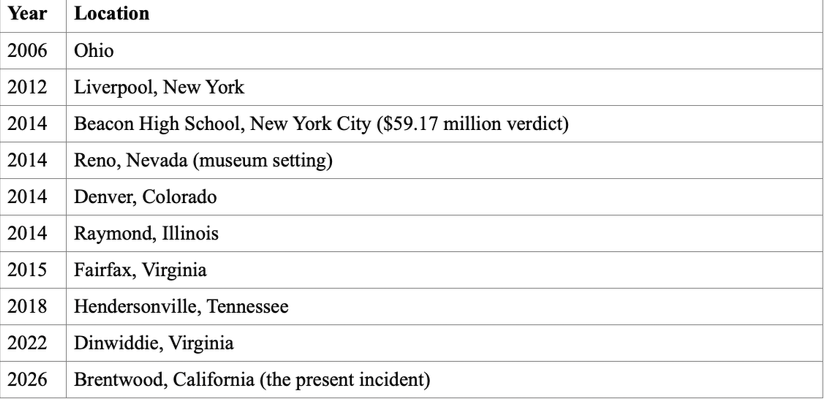
Through research, we have found many other incidents of students and teachers being injured from chemistry experiments involving flames.
Follow Our Journey!
On October 5th, we met with the office of Assemblymember Anamarie Avila-Farías, and on October 6th, we met with the office of Senator Cabaldon. We are currently partnering with the Assemblymember’s office to pursue the bill.